

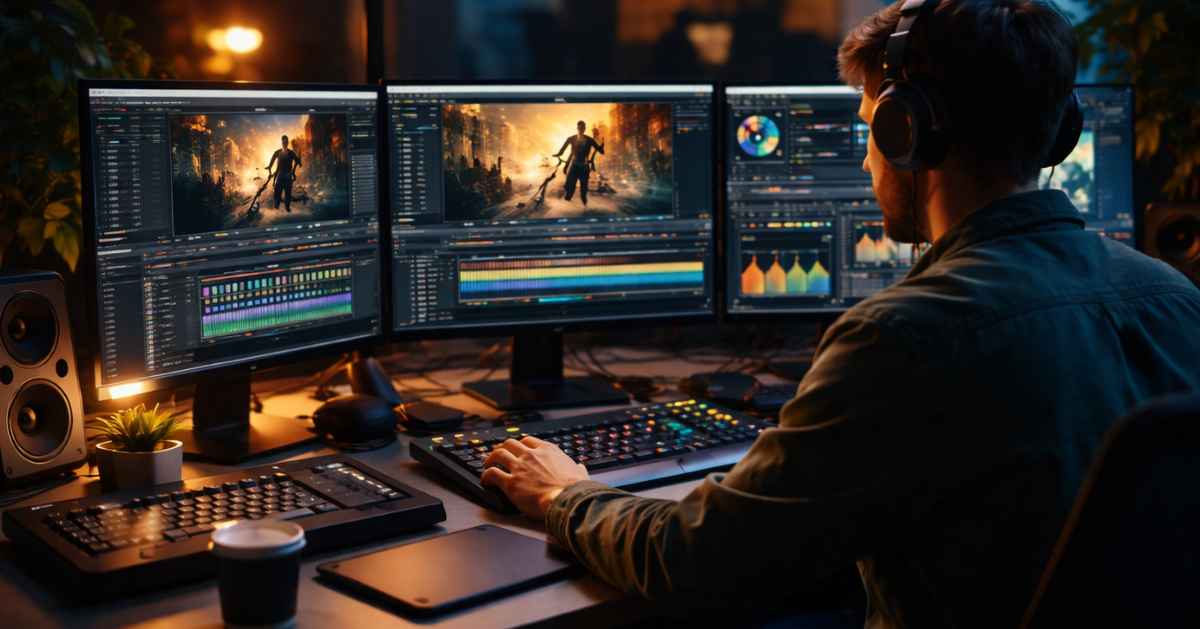
In today’s digital-first world, video is no longer optional—it’s essential. From YouTube and Instagram to OTT platforms, online courses, and brand marketing, video content dominates every industry. Behind every engaging video is a skilled editor who transforms raw footage into a compelling story. If you’re wondering how to become a professional video editor, this guide will walk you through everything you need to know, step by step.
What Does a Professional Video Editor Do?
A professional video editor is responsible for shaping the final version of a video. This includes:
- Cutting and arranging clips
- Enhancing visuals with color correction and effects
- Syncing and improving audio
- Adding text, transitions, and motion graphics
- Creating a smooth flow that tells a story
Professional editors work across industries such as entertainment, digital marketing, education, corporate branding, and social media.
Step 1: Understand the Basics of Video Editing
Before touching any software, you must understand the fundamentals of video editing. These basics form the foundation of your career.
Key concepts you should learn first:
- Timeline-based editing
- Frame rates and resolutions
- Video formats and codecs
- Basic cuts and transitions
- Audio levels and synchronization
A strong foundation helps you edit faster, cleaner, and more professionally as you grow.
Step 2: Choose the Right Video Editing Software
To become a professional video editor, you must master at least one industry-standard tool. The software you choose depends on your goals, budget, and system configuration.
Popular choices include:
- Beginner-friendly tools for learning basics
- Advanced software for professional and cinematic editing
- Mobile apps for short-form and social media content
Focus on one primary tool first, then expand your skill set gradually. Mastery matters more than knowing many tools superficially.
Step 3: Learn Editing Techniques, Not Just Tools
Many beginners make the mistake of learning buttons instead of skills. Professional editors stand out because they understand why an edit works.
Essential video editing skills to master:
- Clean cutting and pacing
- Storytelling through visuals
- Color correction and basic color grading
- Audio enhancement and sound design
- Text animation and title design
Remember, tools change—but editing principles remain timeless.
Step 4: Practice Daily with Real Projects
Skill comes from repetition. The fastest way to grow is by editing regularly, even if you don’t have clients yet.
Practice ideas:
- Edit short videos from free stock footage
- Create YouTube-style videos
- Edit Instagram Reels or Shorts
- Recreate edits from popular creators
- Improve old edits with new techniques
Treat every practice project like a paid assignment. This mindset builds professional discipline early.
Step 5: Build a Strong Video Editing Portfolio
Your portfolio is more important than your degree or certifications. Clients and companies hire based on what you can do, not what you claim.
Your portfolio should include:
- 5–10 of your best edited videos
- Different styles (social media, cinematic, corporate, talking-head)
- Short, high-quality samples
- Clear description of your role in each project
Host your portfolio on Google Drive, a personal website, or professional platforms. Keep it updated as your skills improve.
Step 6: Learn the Business Side of Video Editing
To become a professional video editor, you must understand how the industry works.
Key business skills include:
- Client communication
- Understanding briefs and deadlines
- Pricing your services
- Managing revisions professionally
- Delivering files in correct formats
Editors who combine technical skill with professionalism grow faster and earn more.
Step 7: Choose a Career Path in Video Editing
Video editing offers multiple career paths. Choose one based on your interests and long-term goals.
Popular career options:
- Freelance video editor
- YouTube or content creator editor
- Social media video editor
- Corporate or agency editor
- Film and documentary editor
You can start with one path and transition later as your experience grows.
Step 8: Start Getting Clients or Job Opportunities
Once your skills and portfolio are ready, it’s time to work professionally.
Ways to get video editing work:
- Freelance platforms
- Social media outreach
- Networking with creators and businesses
- Internships or entry-level jobs
- Referrals from existing clients
Start small, deliver quality work, and focus on building long-term relationships.
Step 9: Upgrade Your Hardware & Editing Setup
A professional setup improves speed, comfort, and output quality.
Basic requirements:
- A capable laptop or desktop
- Sufficient RAM and storage
- Good headphones or speakers
- External hard drive for backups
You don’t need the most expensive setup initially—upgrade gradually as your income grows.
Step 10: Keep Learning & Stay Updated
Video editing is an evolving field. New trends, formats, and tools emerge constantly.
To stay competitive:
- Follow industry trends
- Learn new editing styles
- Improve storytelling skills
- Explore motion graphics and advanced effects
- Study successful editors’ work
Professional video editors never stop learning.
Common Mistakes to Avoid as a Beginner
- Focusing only on effects, not storytelling
- Ignoring audio quality
- Overusing transitions
- Not backing up files
- Underpricing or overpricing services
Avoiding these mistakes early saves years of frustration.
Final Thoughts:
Yes—video editing is one of the most future-proof creative careers today. With consistent practice, smart learning, and professional discipline, you can turn video editing into a high-paying, flexible, and fulfilling career.
Whether you aim to freelance, work with brands, or edit cinematic content, the journey starts with one decision: begin today and stay consistent. Becoming a professional video editor is not about talent alone—it’s about practice, patience, and passion.