

In today’s highly competitive property market, selling real estate is no longer just about location, price, and amenities. Buyers have countless options, and their decisions are strongly influenced by trust, perception, and emotional connection. This is where branding in real estate marketing plays a powerful role.
Whether you are a real estate agent, builder, developer, or real estate marketing agency, strong branding can help you stand out, attract quality leads, and build long-term credibility. In this guide, we’ll explore the role of branding in real estate marketing, why it matters, and how to build a strong real estate brand.
What Is Branding in Real Estate Marketing?
Branding in real estate marketing is the process of creating a distinct identity and perception for a real estate business or project in the minds of buyers, investors, and sellers.
It includes elements such as:
- Brand name and logo
- Visual identity (colors, fonts, design style)
- Brand voice and messaging
- Values, reputation, and promise
- Customer experience across all touchpoints
In simple terms, branding is not just what you sell, but how people feel about your business.
Why Branding Is Important in Real Estate Marketing
Real estate is a high-value, trust-based industry. Buyers invest their life savings into properties, so they prefer brands they recognize and trust.
1. Builds Trust and Credibility
A strong brand creates a professional image. When people see consistent branding across your website, ads, social media, and property brochures, it builds confidence and reliability.
Buyers are more likely to contact:
- A well-branded real estate company
- A known developer or agent
- A business with a clear brand story
2. Differentiates You From Competitors
In most cities, multiple builders and agents sell similar properties at similar prices. Branding helps you stand out.
For example:
- Luxury branding attracts premium buyers
- Affordable branding appeals to budget-conscious customers
- Eco-friendly branding attracts sustainability-focused buyers
Your brand defines why someone should choose you instead of others.
3. Creates Emotional Connection With Buyers
People don’t just buy homes—they buy dreams, lifestyle, safety, and status.
Strong real estate branding:
- Connects emotionally with buyers
- Highlights lifestyle benefits, not just features
- Makes your projects memorable
A branded property feels more valuable than an unbranded one—even if the specifications are similar.
Key Elements of Real Estate Branding
To understand the role of branding in real estate marketing, it’s important to know its core elements.
1. Brand Identity
This includes:
- Logo design
- Brand colors and typography
- Visual style in ads and creatives
Consistency in visual identity helps customers instantly recognize your brand across platforms.
2. Brand Messaging
Brand messaging defines:
- What you stand for
- How you communicate
- Your unique value proposition
Clear messaging helps explain:
- Who you are
- What you offer
- Why customers should trust you
3. Brand Positioning
Brand positioning answers one question:
“How do you want your brand to be perceived in the market?”
Examples:
- Luxury property expert
- Affordable housing specialist
- Trusted local real estate advisor
- Premium commercial property developer
Strong positioning attracts the right audience, not just more leads.
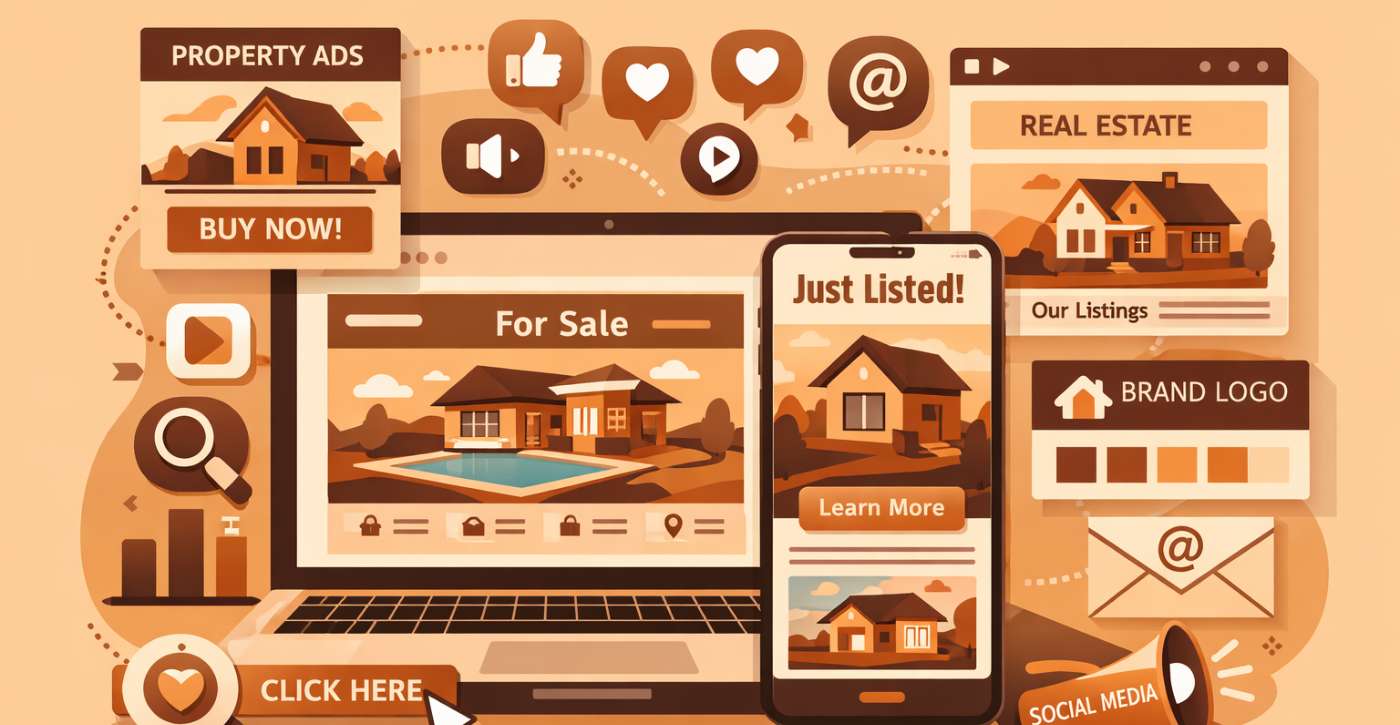
Role of Branding in Digital Real Estate Marketing
Branding plays a crucial role across all digital marketing channels.
1. Website Branding
Your website is often the first interaction with potential buyers.
Strong branding ensures:
- Professional website design
- Clear brand colors and fonts
- Consistent messaging
- Better user experience
A branded website builds trust instantly and increases lead conversions.
2. Social Media Branding
Consistent branding on social media:
- Improves brand recall
- Builds authority
- Creates a loyal audience
When users repeatedly see your branded posts, stories, and videos, they begin to recognize and trust your business.
3. Branding in Paid Ads
Branded ads perform better than generic ads because:
- People trust familiar names
- Visual consistency improves recall
- Brand recognition lowers cost per lead
Over time, branding reduces dependency on aggressive selling.
Branding and Lead Quality in Real Estate
One of the biggest benefits of branding is better lead quality.
Instead of attracting random inquiries, strong branding:
- Attracts serious buyers
- Filters unqualified leads
- Improves conversion rates
People who contact a well-branded real estate business already have a level of trust, making sales conversations smoother.
Branding for Real Estate Developers and Builders
For developers, branding goes beyond company identity—it extends to project branding.
Project branding includes:
- Project name and logo
- Lifestyle-focused messaging
- Visual themes for ads and hoardings
- Digital presence and campaigns
Well-branded projects:
- Sell faster
- Command better pricing
- Create long-term brand equity
Long-Term Benefits of Strong Real Estate Branding
Branding is not a one-time activity—it’s a long-term investment.
Key long-term advantages:
- Higher brand recall
- Repeat customers and referrals
- Easier launch of new projects
- Stronger market reputation
- Higher perceived value
Over time, strong branding reduces marketing costs and increases profitability.
Common Branding Mistakes in Real Estate Marketing
To maximize branding impact, avoid these mistakes:
- Inconsistent visuals and messaging
- Copying competitor branding
- Focusing only on sales, not brand value
- Ignoring customer experience
- Weak online presence
Branding should be authentic, consistent, and customer-focused.
How to Build a Strong Real Estate Brand
Here are some actionable steps:
- Define your target audience clearly
- Create a unique brand identity
- Maintain consistency across all platforms
- Invest in professional design and content
- Build trust through reviews and testimonials
- Align branding with digital marketing strategies
Final Thoughts:
The role of branding in real estate marketing is more important than ever in today’s digital-first world. Branding helps build trust, differentiate from competitors, create emotional connections, and attract high-quality leads. In an industry where trust drives decisions, strong branding is not optional—it’s essential. Real estate businesses that invest in branding don’t just sell properties; they build long-lasting market presence and customer loyalty.