


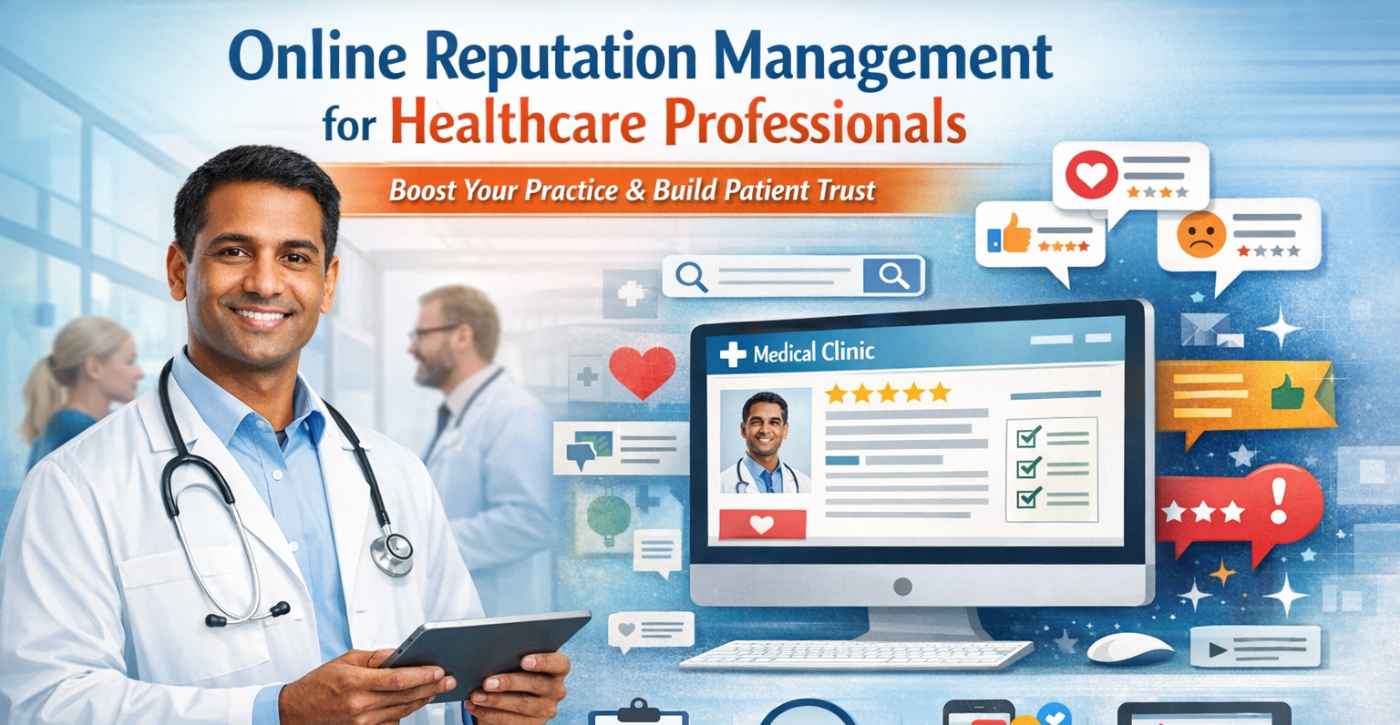
In today’s digital-first world, patients are no longer relying solely on word-of-mouth referrals. Instead, they actively search online for doctors, clinics, and healthcare providers before making decisions. This shift has made Online Reputation Management (ORM) a critical aspect of success for healthcare professionals.
A strong online reputation not only builds trust but also attracts new patients, enhances credibility, and improves overall patient engagement. On the other hand, negative reviews or poor online visibility can significantly impact your practice.
What is Online Reputation Management (ORM)?
Online Reputation Management refers to the process of monitoring, influencing, and maintaining how your healthcare practice is perceived across digital platforms. This includes:
- Patient reviews
- Search engine results
- Social media presence
- Online listings and directories
ORM ensures that when patients search for your name or clinic, they find accurate, positive, and trustworthy information.
Why ORM is Crucial for Healthcare Professionals
1. Patients Trust Online Reviews
Studies show that most patients trust online reviews as much as personal recommendations. A few negative reviews can influence patient decisions significantly.
2. Builds Credibility and Trust
A well-managed online presence with positive feedback establishes you as a reliable and professional healthcare provider.
3. Improves Patient Acquisition
When your practice appears positively in search results, more patients are likely to choose your services.
4. Enhances Patient Experience
Responding to feedback shows that you value patient opinions, improving satisfaction and loyalty.
Key Components of Online Reputation Management
1. Monitoring Your Online Presence
Regularly track what is being said about your practice across platforms like:
- Google reviews
- Healthcare directories
- Social media channels
Use tools like Google Alerts to stay updated on mentions of your name or clinic.
2. Managing Patient Reviews
Encourage Positive Reviews
- Ask satisfied patients to leave reviews
- Send follow-up messages after consultations
- Provide easy links to review platforms
Respond to Reviews Professionally
- Thank patients for positive feedback
- Address negative reviews calmly and respectfully
- Avoid sharing sensitive patient information (HIPAA compliance)
3. Search Engine Optimization (SEO)
SEO plays a major role in ORM. By optimizing your online presence, you can ensure positive content ranks higher in search results.
Important SEO Strategies:
- Use relevant keywords like: “best doctor near me”, “top healthcare clinic”, “trusted medical professional”
- Optimize website content with medical expertise and patient-focused information
- Maintain consistent NAP (Name, Address, Phone Number) across listings
4. Building a Professional Website
Your website is your digital identity. It should include:
- About the doctor/practice
- Services offered
- Patient testimonials
- Contact details
- Appointment booking options
Ensure your website is:
- Mobile-friendly
- Fast-loading
- Secure (HTTPS)
5. Social Media Presence
Active engagement on social media platforms helps humanize your practice.
Best Practices:
- Share health tips and educational content
- Post updates about your clinic
- Engage with followers through comments and messages
6. Content Marketing
Publishing valuable content boosts your authority and online visibility.
Examples:
- Blog posts on health topics
- FAQs for common conditions
- Preventive care tips
This not only improves SEO but also positions you as an expert in your field.
7. Handling Negative Feedback
Negative reviews are inevitable, but how you handle them matters.
Steps to Manage Negative Reviews:
- Stay calm and professional
- Acknowledge the issue
- Offer to resolve offline
- Learn and improve from feedback
Never ignore or argue publicly with patients.
Best Tools for ORM in Healthcare
- Google Alerts – for monitoring mentions
- Review management platforms
- Social media scheduling tools
- SEO tools like keyword planners
Benefits of Effective ORM
- Increased patient trust
- Higher search engine rankings
- Better patient retention
- Stronger brand image
- Competitive advantage in the healthcare industry
Future of Online Reputation in Healthcare
With the rise of digital health platforms and telemedicine, ORM will continue to grow in importance. Healthcare professionals who proactively manage their online presence will stay ahead in an increasingly competitive market.
Conclusion
Online Reputation Management is no longer optional for healthcare professionals—it is essential. By actively monitoring your online presence, engaging with patients, and implementing strong SEO strategies, you can build a trustworthy and successful healthcare brand.
Start managing your online reputation today to ensure long-term growth, patient trust, and professional excellence.