
In the world of digital marketing, data plays a vital role in shaping successful campaigns. Marketers constantly track metrics like clicks, reach, engagement, conversions, and impressions. Among these, impressions are one of the most fundamental yet commonly misunderstood terms.
If you’ve ever run ads, managed social media pages, or analyzed website traffic, you’ve probably seen the word impressions in reports. But what does it really mean, and why is it so important?
What Is an Impression in Digital Marketing?
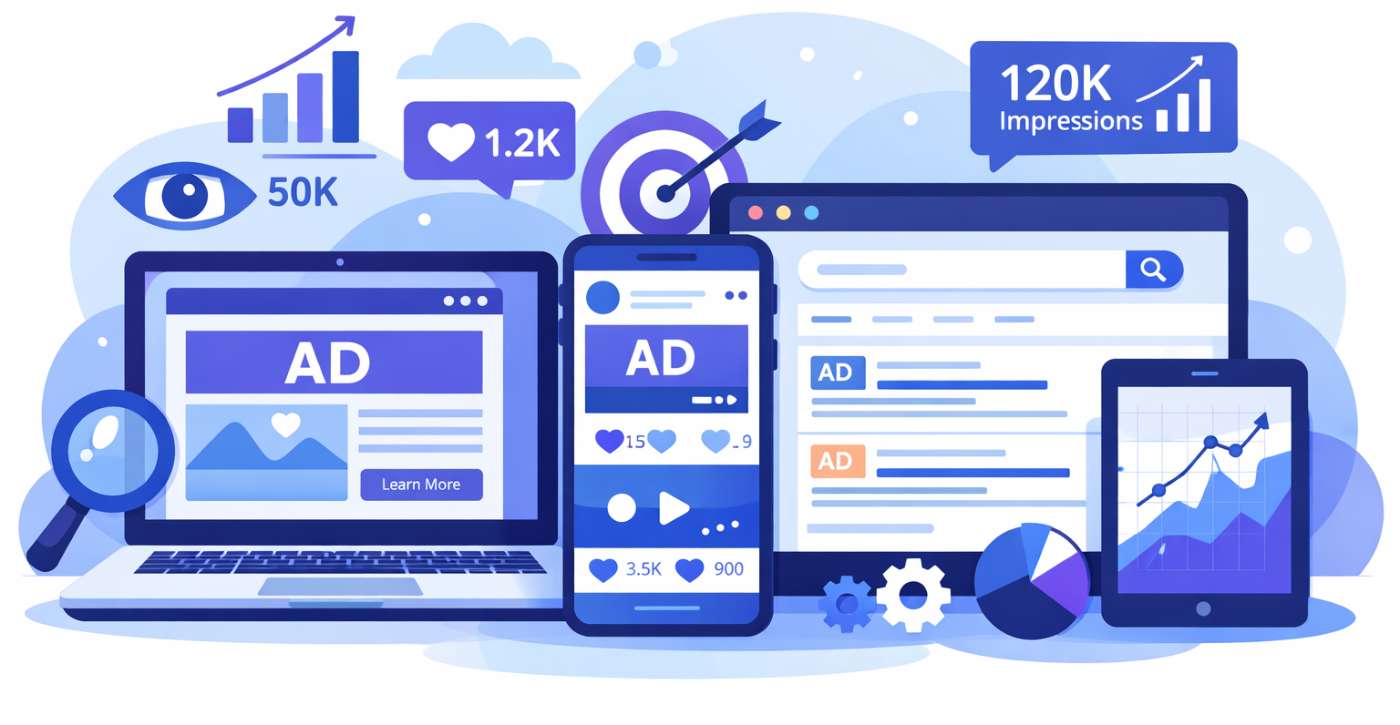
An impression in digital marketing refers to the number of times a piece of content, advertisement, or link is displayed on a user’s screen—regardless of whether the user interacts with it or not.
In simple terms:
Every time your ad or content appears in front of someone, it counts as one impression.
It does not matter if the user clicks, likes, or reads it. Visibility alone is enough for it to be recorded as an impression.
Example:
- If your Facebook ad appears 1,000 times in users’ feeds, that equals 1,000 impressions
- If the same user sees your ad 5 times, that counts as 5 impressions
Impressions vs Reach: What’s the Difference?
Many beginners confuse impressions with reach, but they are not the same.
| Metric | Meaning |
|---|---|
| Impressions | Total number of times content is shown |
| Reach | Number of unique users who saw the content |
Simple explanation:
- Reach = how many people
- Impressions = how many times
If 100 people see your ad and each person sees it twice:
- Reach = 100
- Impressions = 200
Both metrics are important, but impressions help you understand visibility frequency.
Why Are Impressions Important in Digital Marketing?
Impressions play a key role in measuring brand exposure and awareness. Even if users don’t click immediately, repeated exposure builds familiarity and trust.
Here’s why impressions matter:
1. Measure Brand Awareness: Impressions show how often your brand appears in front of your target audience. The more impressions you get, the higher your brand visibility.
2. Evaluate Campaign Performance:
Low impressions may indicate:
- Poor targeting
- Low budget
- Weak keyword selection
High impressions mean your content is reaching screens, even if engagement is low initially.
3. Support Other Metrics:
Metrics like CTR (Click-Through Rate), CPM, and engagement rate depend on impressions.
CTR formula:
Without impressions, performance analysis would be incomplete.
Types of Impressions in Digital Marketing
Different platforms define impressions slightly differently. Let’s look at the most common types.
1. Ad Impressions:
These occur when:
- A display ad loads on a webpage
- A search ad appears in Google results
- A video ad shows on YouTube
Even if the user scrolls past quickly, it still counts as an impression.
2. Social Media Impressions:
Social platforms count an impression every time your post appears in someone’s feed, timeline, or stories.
Examples:
- Instagram post shown in feed
- Twitter post appearing on timeline
- LinkedIn ad shown in sponsored content
3. Search Engine Impressions:
In SEO, an impression is counted when:
- Your webpage appears in search engine results pages (SERPs)
- The user doesn’t have to click the link
This data is commonly seen in search performance tools and helps evaluate keyword visibility.
Impressions in SEO (Search Engine Optimization)
In SEO, impressions are especially useful for understanding how often your website appears for search queries.
Why SEO impressions matter:
- Identify high-impression, low-click keywords
- Optimize meta titles and descriptions
- Improve content relevance
For example:
- A page gets 10,000 impressions but only 100 clicks
- This suggests the page is visible but not attractive enough to click
Improving headlines, snippets, and search intent alignment can boost results.
Paid Ads:
- Impressions and CPM Explained
- In paid advertising, impressions are closely tied to CPM.
What is CPM?
CPM (Cost Per Mille) means the cost for 1,000 impressions.
Formula:
Advertisers use CPM when:
- Running brand awareness campaigns
- Promoting new products
- Targeting broad audiences
Lower CPM with high-quality impressions often indicates a cost-effective campaign.
Are Impressions Always a Good Thing?
Not necessarily. High impressions alone don’t guarantee success.
Potential drawbacks:
- Ads shown to the wrong audience
- Ad fatigue from too many impressions
- Low engagement despite high visibility
That’s why impressions should always be analyzed alongside:
- Clicks
- Engagement
- Conversions
- Bounce rate
Quality impressions matter more than quantity.
How to Increase Impressions Effectively
Here are proven strategies to improve impressions in a meaningful way:
1. Improve Targeting
Ensure your ads and content are shown to the right audience based on:
- Interests
- Location
- Demographics
- Search intent
2. Optimize Keywords
Use high-volume, relevant keywords to improve visibility in search and paid ads.
3. Post Consistently
Regular posting on social media increases chances of appearing in feeds.
4. Increase Ad Budget Strategically
Higher budgets can increase impressions, but always monitor performance.
5. Improve Content Quality
Engaging visuals, clear messaging, and strong headlines help platforms show your content more often.
Impressions vs Clicks vs Conversions
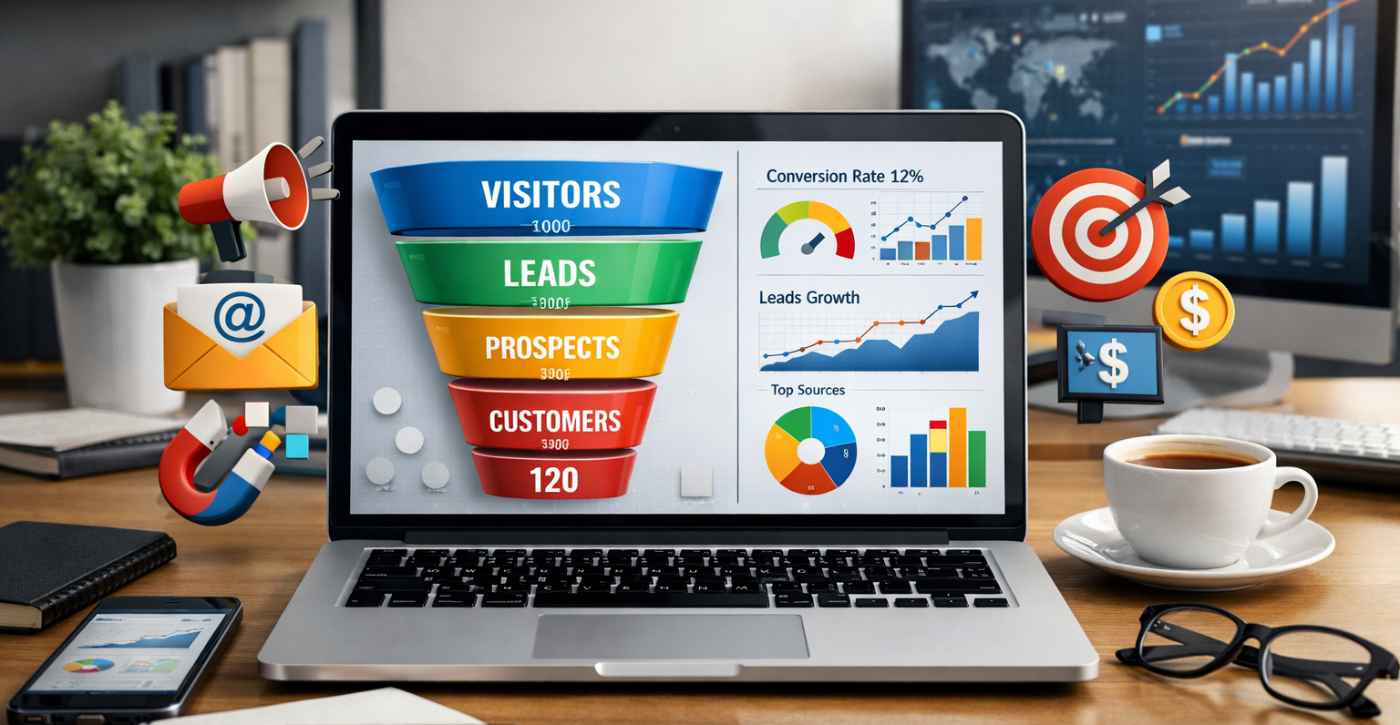
Understanding how impressions fit into the marketing funnel is crucial.
| Funnel Stage | Metric |
|---|---|
| Awareness | Impressions |
| Interest | Clicks |
| Action | Conversions |
Impressions create awareness, clicks show interest, and conversions drive revenue. All three work together.
Final Thoughts:
An impression in digital marketing represents visibility—how often your content or ad is shown to users. While impressions alone don’t guarantee results, they form the foundation of brand awareness and campaign measurement.
When combined with clicks, engagement, and conversions, impressions help marketers:
- Understand audience exposure
- Optimize campaigns
- Build brand recognition
- Improve long-term marketing success
Whether you’re a beginner, business owner, or digital marketer, mastering impressions will help you make smarter, data-driven decisions.