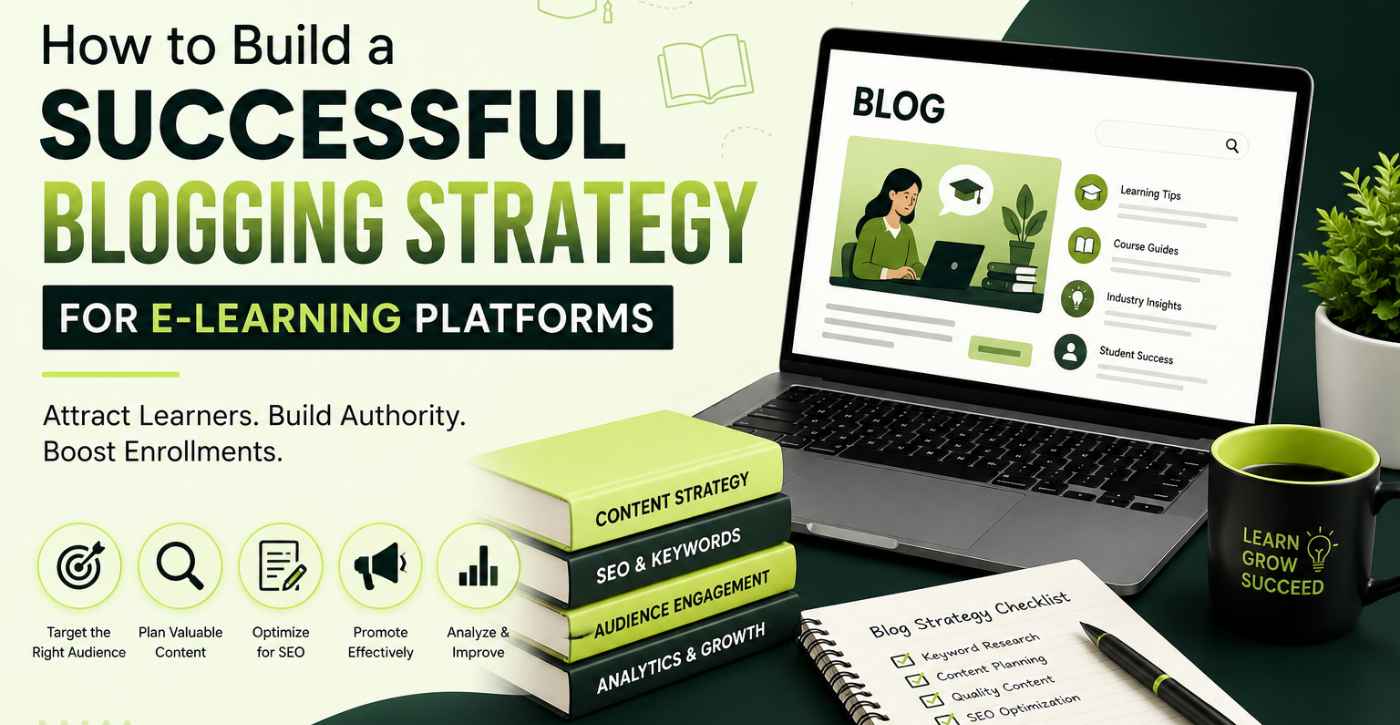



In today’s digital-first world, real estate marketing has evolved far beyond traditional listings and offline promotions. Buyers now begin their property search online, making content marketing a powerful tool for real estate professionals. Among all content formats, blogs stand out as one of the most effective ways to attract, engage, and convert potential buyers. A well-crafted real estate blog not only drives traffic but also builds trust, establishes authority, and nurtures leads throughout the buying journey.
Why Blogging Matters in Real Estate Marketing
Real estate is a high-involvement purchase, and buyers often spend weeks or even months researching before making a decision. During this time, they look for valuable information, market insights, and guidance. This is where blogging plays a crucial role.
A consistent blogging strategy helps you:
- Improve your website’s search engine rankings
- Educate potential buyers
- Showcase your expertise
- Build credibility and trust
- Generate organic leads without heavy ad spend
When done correctly, blogs can act as a 24/7 marketing engine that continuously attracts prospective buyers.
Understanding Your Target Audience
Before you start writing, it’s essential to understand who your ideal buyers are. Are you targeting first-time homebuyers, luxury property investors, or families looking for suburban homes? Each audience has different needs, concerns, and search behaviors.
For example:
- First-time buyers may search for “how to buy your first home” or “home loan tips”
- Investors may look for “best areas for rental income”
- Families might search for “top neighborhoods with good schools”
By identifying these search intents, you can create blog content that directly addresses their needs and attracts the right audience.
Keyword Research: The Foundation of SEO
SEO optimization begins with keyword research. To ensure your blogs rank well on search engines, you need to target relevant keywords that your audience is actively searching for.
Focus on:
- Primary keywords: Real estate content marketing, property buying tips
- Long-tail keywords: “best neighborhoods to buy homes in [city]”
- Local SEO keywords: “homes for sale in [location]”
Use these keywords naturally throughout your blog, including in the title, headings, meta description, and body content. Avoid keyword stuffing, as it can harm readability and rankings.
Crafting Engaging Blog Topics
The success of your blog largely depends on the topics you choose. Your content should be informative, relevant, and engaging. Here are some blog ideas that attract buyers:
1. Local Area Guides: Write detailed guides about neighborhoods, highlighting amenities, schools, transportation, and lifestyle. Buyers often prioritize location, so this type of content performs exceptionally well.
2. Home Buying Tips: Create step-by-step guides on the home buying process, financing options, and legal requirements. This builds trust and positions you as a helpful advisor.
3. Market Trends and Insights: Share updates on property prices, demand trends, and future forecasts. Buyers appreciate data-driven insights before making decisions.
4. Property Investment Advice: Offer tips on ROI, rental income, and emerging markets. This attracts serious investors looking for opportunities.
5. Property Showcases: Feature specific properties with detailed descriptions, high-quality images, and virtual tours. This helps convert interested readers into leads.
Writing Blogs That Convert
Attracting visitors is only half the job—your blog should also convert them into potential buyers. Here’s how:
Use Compelling Headlines: Your headline is the first thing readers see. Make it clear, engaging, and keyword-rich. For example:
“10 Expert Tips for First-Time Homebuyers in 2026”
Focus on Readability: Use short paragraphs, bullet points, and subheadings to make your content easy to read. Most users skim content, so structure is crucial.
Include Clear Calls-to-Action (CTAs):
Encourage readers to take the next step, such as:
- Contacting you for a consultation
- Signing up for property alerts
- Downloading a buying guide
Add Visual Content: Images, infographics, and videos enhance user engagement and increase time spent on your page.
Optimizing for Local SEO
Real estate is inherently local, so optimizing your blogs for local SEO is essential. Include location-specific keywords, mention nearby landmarks, and create content tailored to specific cities or neighborhoods.
Also, ensure your Google Business profile is updated and linked to your blog. This improves visibility in local search results and maps.
Leveraging Internal and External Links
Internal linking helps guide readers to other relevant pages on your website, such as property listings or service pages. This improves user experience and boosts SEO.
External links to credible sources add value and build trust. For example, linking to government housing policies or financial institutions can enhance your blog’s credibility.
Promoting Your Blog Content
Publishing a blog is just the beginning. To maximize its reach, you need a solid promotion strategy.
Social Media Sharing: Share your blog posts on platforms like Facebook, Instagram, and LinkedIn. Use engaging captions and visuals to attract clicks.
Email Marketing: Send your blog content to your email subscribers. This keeps your audience engaged and drives repeat traffic.
Collaborations and Guest Posting: Partner with local businesses, mortgage brokers, or interior designers to expand your reach and gain backlinks.
Measuring Performance and Improving
Track your blog’s performance using analytics tools. Monitor metrics such as:
- Organic traffic
- Bounce rate
- Time on page
- Conversion rate
Identify which topics perform best and refine your strategy accordingly. Continuous improvement is key to long-term success.
[Also Read: How Virtual Tours Improve Property Conversions]
Conclusion
Real estate content marketing, especially blogging, is a powerful way to attract and convert buyers in a competitive market. By understanding your audience, creating valuable content, and optimizing for SEO, you can build a strong online presence that drives consistent leads.
A successful real estate blog is not just about selling properties—it’s about educating, guiding, and building trust with your audience. When done right, it positions you as a go-to expert and ensures that buyers turn to you when they’re ready to make a purchase.
Start investing in your blog strategy today, and you’ll create a long-term asset that continues to generate results for years to come.